
How to Buy a Pre-Owned Chanel Bag Safely

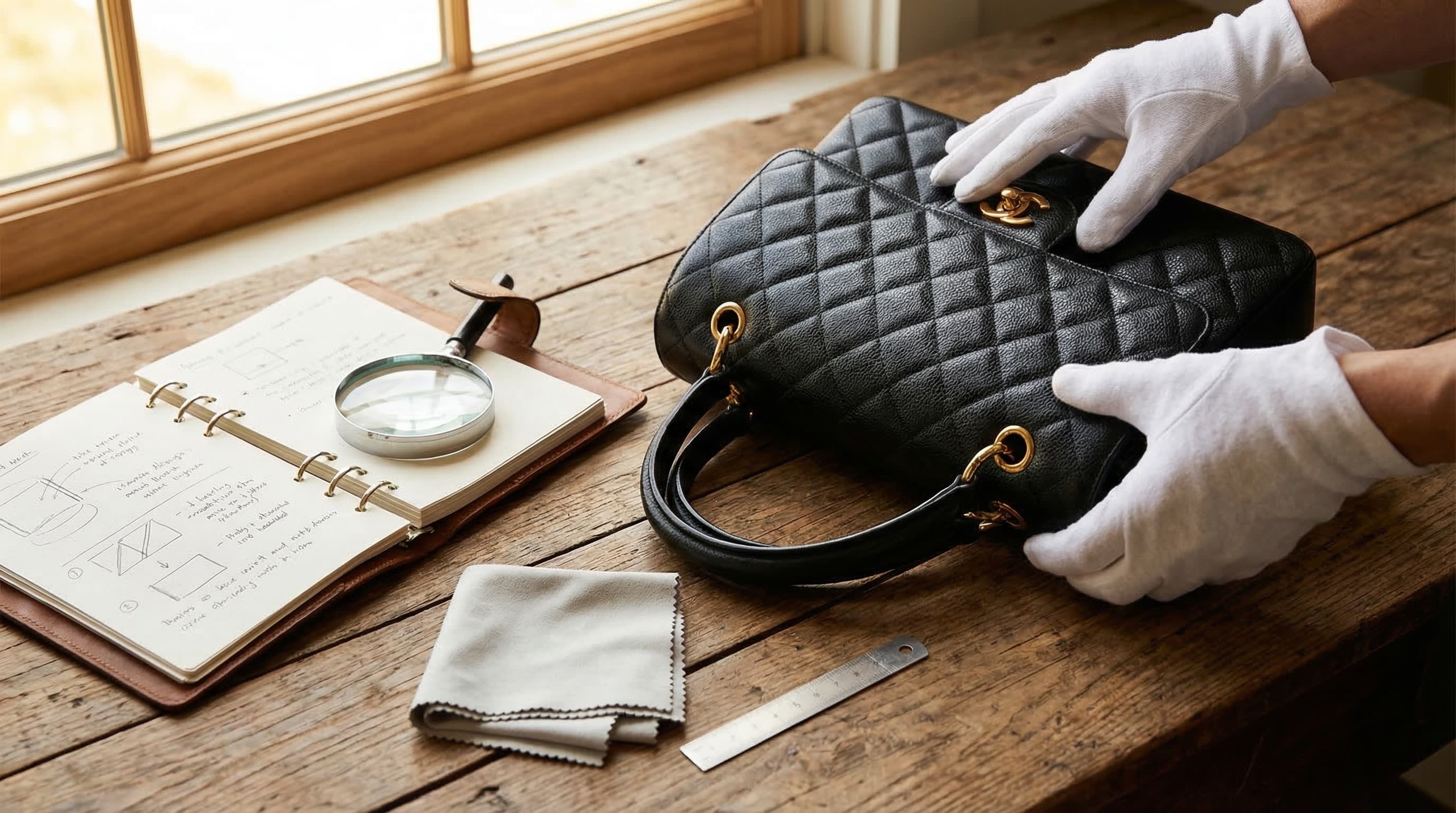
Buying a pre-owned Chanel bag can be one of the smartest moves in luxury shopping.
It can also be one of the easiest ways to overpay for the wrong bag if you move too fast.
The problem is not just counterfeits. The problem is buying from weak sellers, misunderstanding condition, or telling yourself a bag is a deal when it is really just expensive and compromised.
The safest approach is not to become a Chanel detective overnight.
It is to build a simple, disciplined process.
The First Rule: Buy the Seller Before You Buy the Bag
If the seller is weak, the bag is already weak.
That is the first thing to understand.
Trusted resale platforms emphasize this in different ways:
- FASHIONPHILE highlights its expert authentication process and lifetime authenticity guarantee
- Rebag highlights its inspection workflow and technology-backed authentication support
The details vary, but the principle is the same:
seller quality matters as much as bag quality
What you want from a seller:
- a clear authentication process
- high-resolution condition photos
- direct answers to condition questions
- a real return policy or protection path
- a reputation that is easy to verify
If any of those are missing, slow down.
What to Check Before You Buy
1. Model, size, leather, and hardware
Do not shop with vague language in your head.
Know exactly what you are considering:
- Classic Flap or 2.55?
- Small, medium, jumbo?
- Lambskin or grained calfskin?
- Gold-tone or silver-tone hardware?
This matters because pricing can shift a lot based on those details.
2. Condition in the right places
Many listings say "excellent" when what they really mean is "looks good from the front."
The condition areas that matter most are:
- corners
- flap edges
- strap wear
- hardware scratches
- interior stains
- odor
- leather dryness or sagging
If the listing does not show those clearly, ask.
3. Whether the bag has been repaired or refinished
Repairs are not always a dealbreaker, but they change the value conversation.
You want to know:
- has the leather been recolored?
- has hardware been replaced?
- has the structure been altered?
- has the bag had spa treatment, repainting, or restoration?
These things can be fine, but they should affect price.
Do Not Rely on Accessories Alone
This is one of the biggest mistakes new buyers make.
An authenticity card, dust bag, receipt, or old serial sticker can be helpful context. None of them should be your main reason for trusting the bag.
Older Chanel bags may come with serial elements and cards. Newer bags may have newer authentication systems. But accessories can be separated, copied, or misunderstood.
The seller and the bag itself matter more.
How to Judge the Price
The easiest way to overspend is to compare only one listing.
Instead:
Compare the same bag, not "sort of similar" bags
Match:
- model
- size
- leather
- hardware
- approximate condition
Check current retail too
Even if you are buying pre-owned, current retail helps you understand the market ceiling.
Ask:
- How far below retail is this bag really?
- Is the condition worth that gap?
- If the price is high, is the exact configuration especially desirable?
Remember total cost
Your real cost may include:
- shipping
- tax
- authentication fee
- repair or cleaning
- no-return risk
The cheapest listing is often not the cheapest decision.
The Safest Chanel Types for Less Experienced Buyers
If this is your first pre-owned Chanel purchase, start with the easier part of the market.
Safer first categories:
- black or neutral Classic Flaps
- common sizes with lots of comparison data
- grained calfskin if you want easier everyday wear
- bags in clearly described, solid-not-perfect condition
Harder categories for beginners:
- rare seasonal colors
- exotic finishes
- bags with weak photos
- listings that lean on "vintage" to excuse missing detail
The more unusual the bag, the more experienced you need the seller to be.
Red Flags That Should Slow You Down
- The seller rushes you
- The photos are limited or too filtered
- Condition language is vague
- The story is emotional but the facts are thin
- The price is strangely low with no convincing explanation
- The listing focuses more on extras than on the bag itself
If something feels off, you do not need to prove it is fake before you walk away.
You only need to know it is not comfortable enough to buy.
A Good Buying Process in 7 Steps
- Choose the exact Chanel model you want
- Set a price range based on current market reality
- Shortlist only trusted sellers or platforms
- Compare condition photos carefully
- Ask direct questions about wear, repairs, and odor
- Review return and authenticity protection terms
- Buy only when the bag, seller, and price all make sense together
That last line matters.
You do not want just a good bag.
You want:
- a good bag
- from a good seller
- at a good price
If one of those three is weak, the deal is weaker than it looks.
Our Honest Advice
If you are new to pre-owned Chanel, do not try to win on rarity.
Win on clarity.
Buy:
- a common enough model to research
- a trusted seller
- condition you understand
- a price you can explain to yourself in one sentence
That is how you reduce risk without getting paralyzed.
Related Reads
- Lambskin vs Caviar Leather: Which Is Better for Real Life?
- New vs Pre-Owned Designer Bags: Which Should You Buy First?
- Which Designer Bags Hold Value Best in 2026?
If you want a second opinion before buying a specific Chanel bag, text us at +44 7933884145. We can help you think through leather, condition, seller quality, and whether the listing really makes sense.