
How to Authenticate a Chanel Classic Flap: 9 Checks That Actually Work

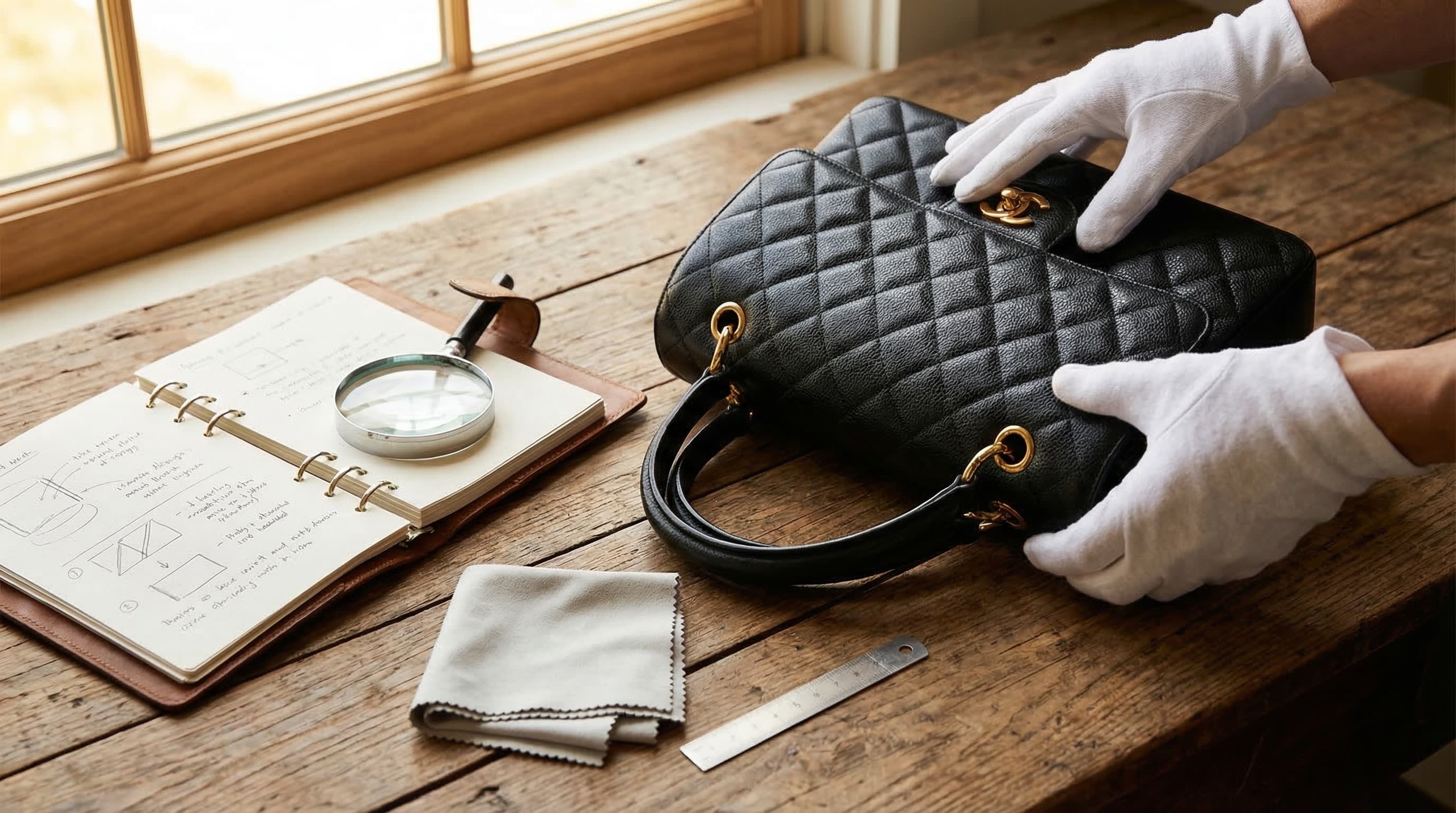
How to Authenticate a Chanel Classic Flap: 9 Checks That Actually Work (2026)
Target keyword: how to authenticate chanel classic flap Format: markdown, ready to adapt to uootd.net/posts/ structure Language: English (US audience), AdSense-friendly
Buying a pre-owned Chanel Classic Flap is one of the smartest ways to own an icon for less — but only if the bag is real. Counterfeits have gotten scary good, and the Classic Flap is the most faked Chanel bag in the world. This guide walks you through the 9 checks professionals use, in the order that matters.
1. Serial Number: The First Filter (Pre-2021 Bags)
Every Chanel bag made between the mid-1980s and early 2021 has a serial number sticker inside, usually on a small leather tab in an interior corner.
What to check:
- 7 digits = roughly 1986–2005. 8 digits = 2005–2021. Anything else (letters, 6 digits on a "2015" bag) is an instant red flag.
- The first digits roughly indicate the production year. For example, a serial starting with 24XXXXXX points to late 2017–early 2018.
- The sticker should have a subtle holographic shimmer with embedded glitter thread — not surface glitter flakes, not a cloudy plastic overlay.
- Look for the signature "X" cut in the sticker. Fakes often miss this detail.
Important: Since 2021, Chanel replaced serial stickers with an embedded metal microchip plate (scannable via NFC). If someone is selling you a "2023 Classic Flap" with a serial sticker, walk away.
2. The CC Lock: Overlap Direction Matters
The interlocking CC turn-lock is where most fakes fail under close inspection.
- The right C overlaps the left C at the top, and underlaps at the bottom. This is non-negotiable.
- The lock should feel weighty — real Chanel hardware is 24k gold-plated or palladium over solid metal. If it feels light or plasticky, be suspicious.
- Engravings ("CHANEL PARIS") should be crisp, evenly spaced, and match the hardware color. Blurry or uneven stamping is a red flag.
3. Stitching: Count It
Chanel's ateliers are famous for stitch density. On a real Classic Flap:
- 10 or more stitches per inch along the quilting.
- Quilting should be puffy, even, and perfectly aligned — including across the back pocket. On fakes, the quilting often misaligns where the pocket meets the body.
- No loose threads, no uneven tension. Run your finger along a seam; it should feel uniform.
4. Interior Stamp
Inside the bag you'll find a heat stamp, usually reading "CHANEL" with "Made in France" or "Made in Italy" beneath it.
- Lettering should be clean, evenly spaced, and embossed to a consistent depth — not too deep, not too shallow.
- It will never say "Made in China" or "Made in Paris." Either of those means fake, full stop.
- The stamp color should match the hardware (gold hardware = gold-toned stamp).
5. Leather Quality and Quilting
The Classic Flap comes mainly in lambskin and caviar (grained calfskin):
- Lambskin should feel buttery and soft with a slight sheen — never stiff, plasticky, or overly shiny.
- Caviar should have a consistent pebbled grain. Fakes often have grain that's too uniform (machine-pressed look) or too irregular.
- The diamond quilting should be symmetrical on both sides of the bag. Flip it over and compare — asymmetry is a major red flag.
6. Chain Strap: Weight and Links
- A real Classic Flap chain is heavy. Hold it in your hand — fakes almost always feel lighter because they use hollow or aluminum links.
- The leather woven through the chain should match the bag's leather exactly in color and texture.
- Check where the chain meets the leather shoulder pad: stitching should be tight and even.
7. Hardware Screws
This is a detail most counterfeiters get wrong:
- Authentic Chanel uses flat-head screws on the interior metal plate. If you see Phillips (cross-shaped) screws, that's a strong fake indicator.
8. Dust Bag and Packaging
- The dust bag should be soft, off-white (never bright white), with a crisp black "CHANEL" logo. Blurry printing or shiny fabric = fake.
- The box should feel sturdy with clean edges. Flimsy cardboard is a bad sign.
- Note: packaging alone proves nothing — good fakes come with good boxes. Always check the bag itself first.
9. The Smell and Feel Test
It sounds unscientific, but experienced authenticators swear by it:
- Real Chanel leather has a rich, natural leather smell. Fakes often smell of chemicals, glue, or plastic.
- The whole bag should feel substantial and balanced — never flimsy, never oddly light for its size.
When in Doubt: Get a Professional Opinion
If you're spending thousands, a $30–50 professional authentication service is cheap insurance. Reputable authenticators will examine high-resolution photos of all the points above and give you a verdict, usually within 24–48 hours. For in-person purchases at this price level, it's worth every penny.
FAQ
Do all real Chanel bags have serial numbers? Bags made from the mid-1980s to early 2021 do. Since 2021, Chanel uses an embedded NFC microchip instead of a sticker. Very vintage pieces (before ~1986) predate the serial system.
Can a fake bag have a real-looking serial number? Yes — counterfeiters copy valid serial formats. That's why the serial is only check #1, never the whole verdict. Always verify the other 8 points.
Is it safe to buy a Chanel Classic Flap on resale sites? Yes, if you buy from established platforms with authentication guarantees (Fashionphile, The RealReal, Vestiaire Collective) or get an independent authentication. Avoid deals that seem too good to be true — they are.
How much does authentication cost? Independent photo-based authentication typically runs $30–50. Some resale platforms include it free with purchase.
Shopping for your first Classic Flap? Read our Chanel Classic Flap price guide and lambskin vs caviar leather comparison next.